Vein Therapy at Lakewood Health System
Over 30 Million Suffer, Most Go Untreated
Over 30 million American’s suffer from varicose veins, or a more serious disease known as chronic venous insufficiency (CVI), though the vast majority of that population goes undiagnosed, and therefore, untreated.
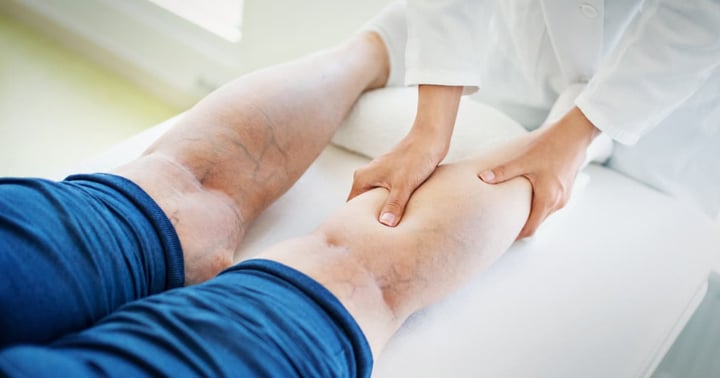
Veins are blood vessels, with one-way valves, that help keep blood flowing toward your heart. If the valves are weak or damaged, blood can back up and pool in your veins. This causes the veins to swell, which can lead to CVI or varicose veins. Varicose veins are enlarged, twisted veins that are visible just under the surface of the skin. Any vein may exhibit varicosity, but the veins most commonly affected are those in your legs and feet.
Treatment Depends On Severity
For many people, varicose veins are simply a cosmetic concern. For others, varicose veins can cause aching pain and discomfort. They often cause few signs and symptoms. If varicose veins cause few symptoms, your provider may simply suggest making lifestyle changes (avoid standing or sitting for long periods of time, wear compression stockings, etc.).
If your symptoms are more severe, your provider may recommend removal or closure of the varicose veins.
Frequently Asked Questions
What Is CVI?
Healthy leg veins contain valves that open and close to assist the return of blood to the heart. CVI develops when the valves that keep blood flowing out of the legs and back to the heart become damaged or diseased. As a result, vein valves will not close properly, leading to symptoms that include:
-
Swelling in your legs or ankles
-
Tight feeling in your calves or itchy, painful legs
-
Pain when walking that stops when you rest
-
Brown-colored skin, often near the ankles
-
Varicose veins
-
Leg ulcers that are sometimes hard to treat
-
Having an uncomfortable feeling in your legs and an urge to move your legs (restless legs syndrome)
-
Painful leg cramps or muscle spasms (charley horse)
The symptoms of CVI may seem like other health conditions. Talk with your healthcare provider for a diagnosis.
What is the Venifit™ procedure?
A targeted endovenous therapy, Venefit™ is an outpatient procedure with proven results and positive patient outcomes. The Venefit procedure is performed on an outpatient basis. Using ultrasound, your doctor will position the ClosureFast™ catheter into the diseased vein through a small opening in the skin. The catheter, powered by radiofrequency energy, delivers heat to the vein wall. As the thermal energy is delivered, the vein wall shrinks and the vein is sealed closed. Once the diseased vein is closed, blood will reroute itself to other healthy veins.
Following the procedure, a bandage is placed over the insertion site, and additional compression may be provided to aid healing. Your doctor may encourage you to walk and to refrain from extended standing and strenuous activities for a period of time. The average patient typically resumes normal activities within a few days.
Schedule A Consultation
Have questions or ready to schedule a consultation?